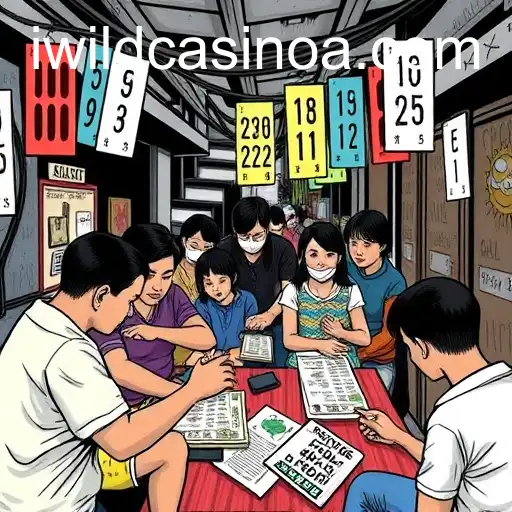
The Complex Game of Jueteng: A Deep Dive into Its Mechanics and Impact
Jueteng is a form of illegal numbers game widely played in the Philippines. Although deemed illicit, it has managed to persist and grow, weaving itself into the socio-economic fabric of many communities. Understanding jueteng involves delving into its operational mechanics, the socio-economic factors that sustain it, and the challenges it poses to government regulation efforts.
The Mechanics of Jueteng
Jueteng operates under a seemingly simple process. Players bet on any combination of numbers, usually ranging from 1 to 37. These numbers are drawn twice a day. A small-scale version of lotteries, jueteng relies heavily on its network of cobradores (bet collectors) and cabos (supervisors) who facilitate the game on the ground level. While the game itself is straightforward, the clandestine network that manages it is anything but.
At the core of jueteng's operation are the kubradors, individuals who traverse neighborhoods collecting bets. These individuals are integral to the flow of the operation, allowing the organizers to maintain the anonymity required to avoid legal repercussions. At the higher echelons are the operators, often politically connected individuals who orchestrate the entire operation and handle the finances involved. These operators have significant influence and sometimes garner political clout, using their resources to sway local elections or legislative decisions.
Socio-Economic Impact
Despite its illegal nature, jueteng thrives due to the socio-economic conditions of the areas it predominates. For many Filipinos living in poverty, jueteng is not just a game; it is a chance, albeit slim, at financial relief. With the lure of small investments turning into large payoffs, the game's appeal is understandably widespread. The operators often turn a blind eye to bettors who couldn't pay immediately, thereby increasing participation even further.
The revenue generated by jueteng contributes significantly to local economies. In areas where employment opportunities are scarce, jueteng provides not only entertainment but also an economic lifeline for those working within its network. For many kubradors, jueteng offers an essential source of income, albeit risky given the occasional police crackdowns.
However, the societal costs are significant. Jueteng perpetuates cycles of poverty, with families sometimes overextending their bets in hopes of winning, only to fall deeper in debt. The financial allure blindsides many into viewing it as a legitimate economic opportunity rather than an illicit gamble. This misconception continues to fuel the cycle of reliance on jueteng as an economic resource, rather than investing energy in skill development or formal job opportunities.
Regulatory and Legal Challenges
Efforts to regulate and eradicate jueteng have met with limited success. Several administrations, including those led by high-profile political figures, have waged war against illicit gambling, yet the reach of jueteng remains undiminished. Part of the challenge lies in its deeply rooted presence within communities, coupled with the tacit approval or silent participation of local officials who benefit from its operations.
The persistence of jueteng also highlights issues of corruption within the system. The purported 'fixers' who are expected to crack down on illegal gambling often find themselves entangled in its web, either through direct participation or by accepting bribes to look the other way. This creates a complex environment where regulation is difficult to enforce and laws are selectively applied.
Contemporary Challenges
In the digital age, the face of gambling has evolved, and so has jueteng. The advent of technology introduces new platforms such as online betting websites like 9b99bet, that bypass some traditional local barriers and complicate enforcement efforts. As a result, the challenge now extends beyond physical operations to include virtual spaces, where the ability to track and regulate activities can be even more daunting.
Efforts to curb jueteng altogether may need to be reimagined to better address its deeply entrenched nature. Policies must not only be punitive but also provide viable economic alternatives to those who depend on it for income. Addressing the root causes of jueteng means tackling poverty and lack of opportunity, alongside strengthening legal frameworks and enforcement.
While jueteng remains an engrossing paradox of Philippine society with its mix of risk, reward, and social intricacies, understanding it provides critical insights into the broader socio-economic challenges that continue to shape the lives of many Filipinos. This enduring issue calls for nuanced solutions that transcend mere prohibition, demanding a multifaceted approach from policymakers, enforcers, and communities alike.